Night and dusk renders: when they help sales and when they hurt
Sales · Orest Moskal · 2026-11-17 · 5 min
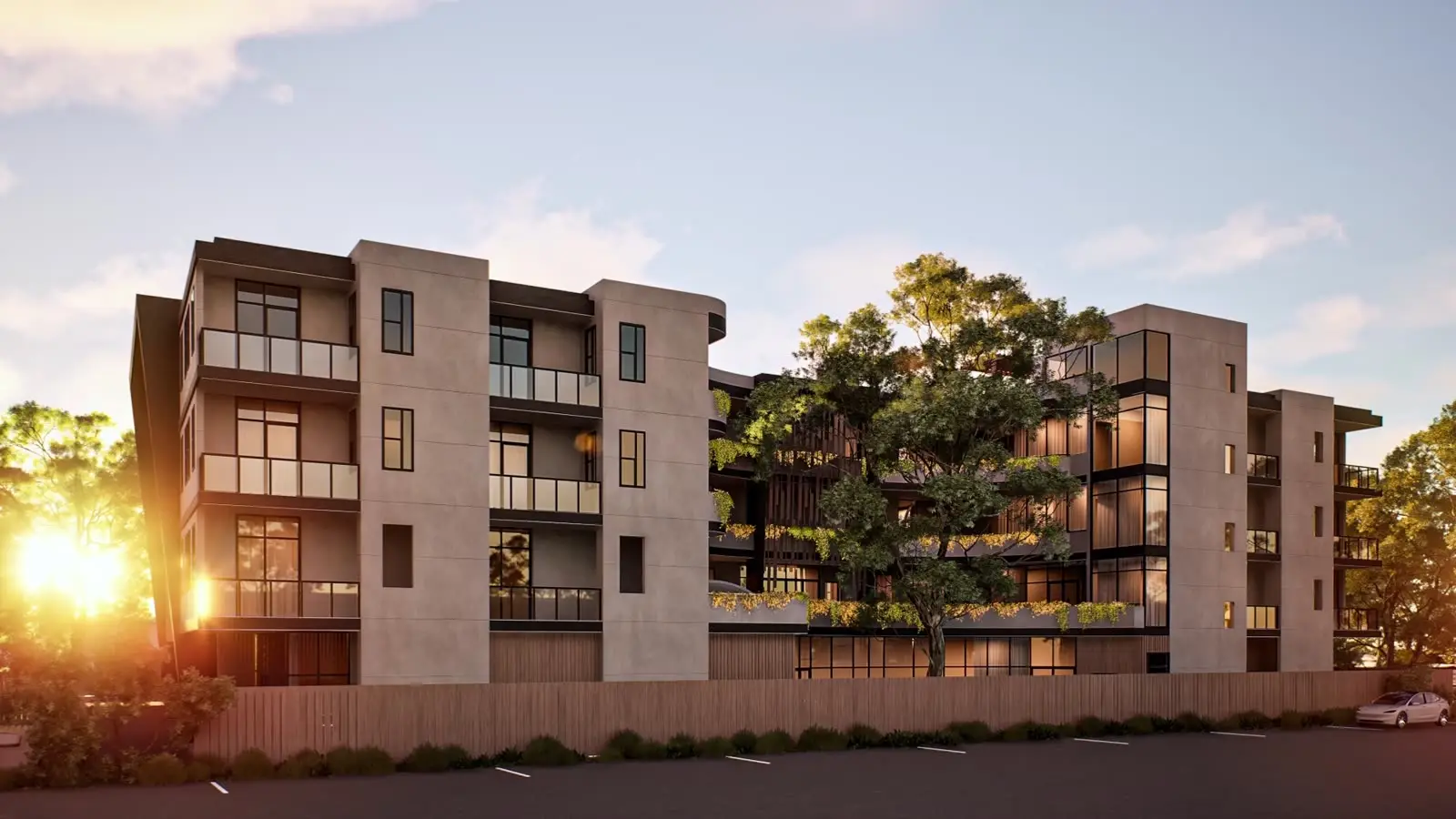
Dusk views are often the images people remember from a launch: warm windows, a glowing entrance, a sky turning blue. They can make a building feel like a home before it exists. But the same mood that makes a dusk render attractive can also hide the façade, the materials and the surroundings that buyers want to check. Here is when evening views earn their place, when daylight does the job better, and how to plan both.
What a dusk view does that daylight cannot
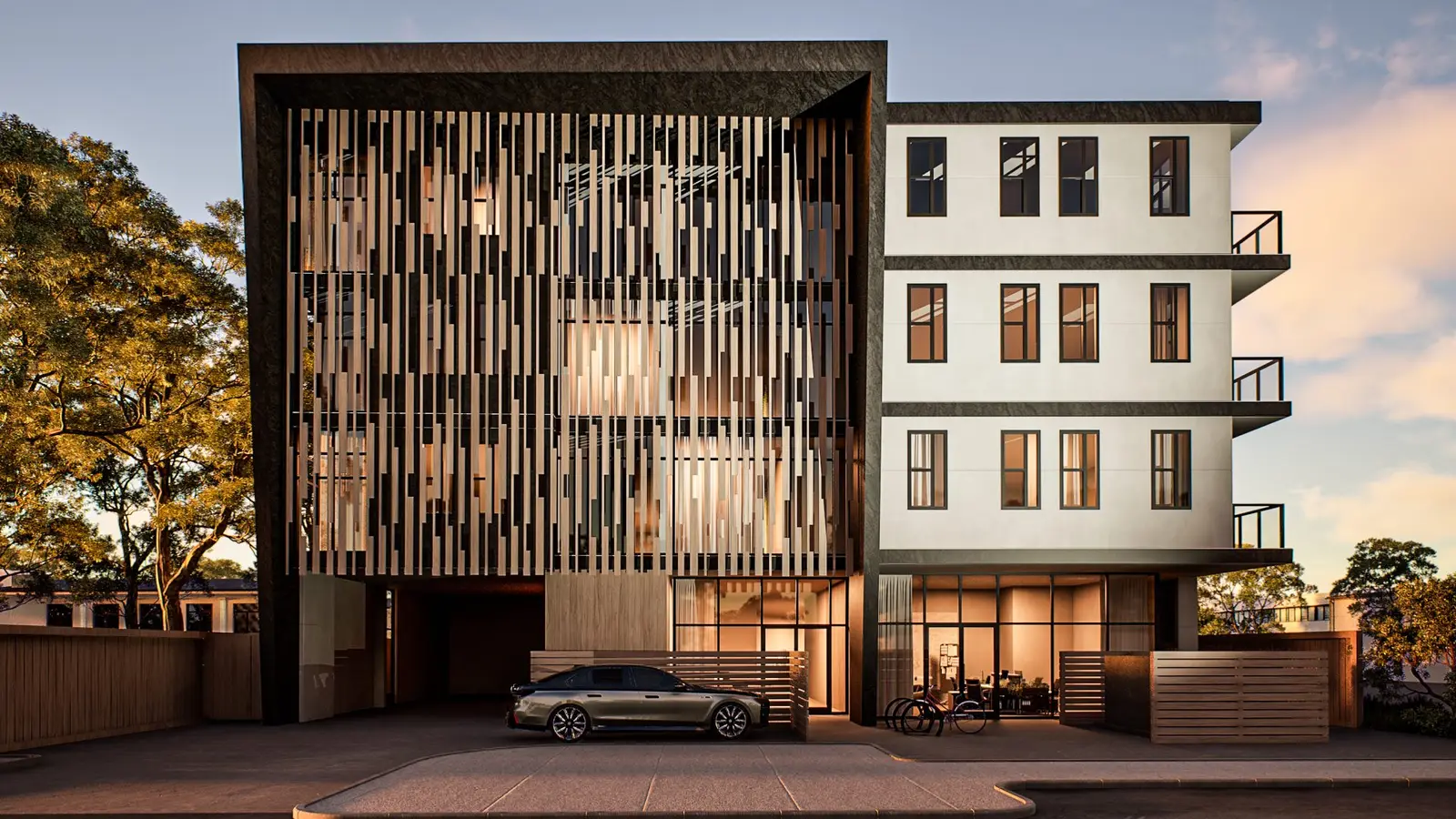
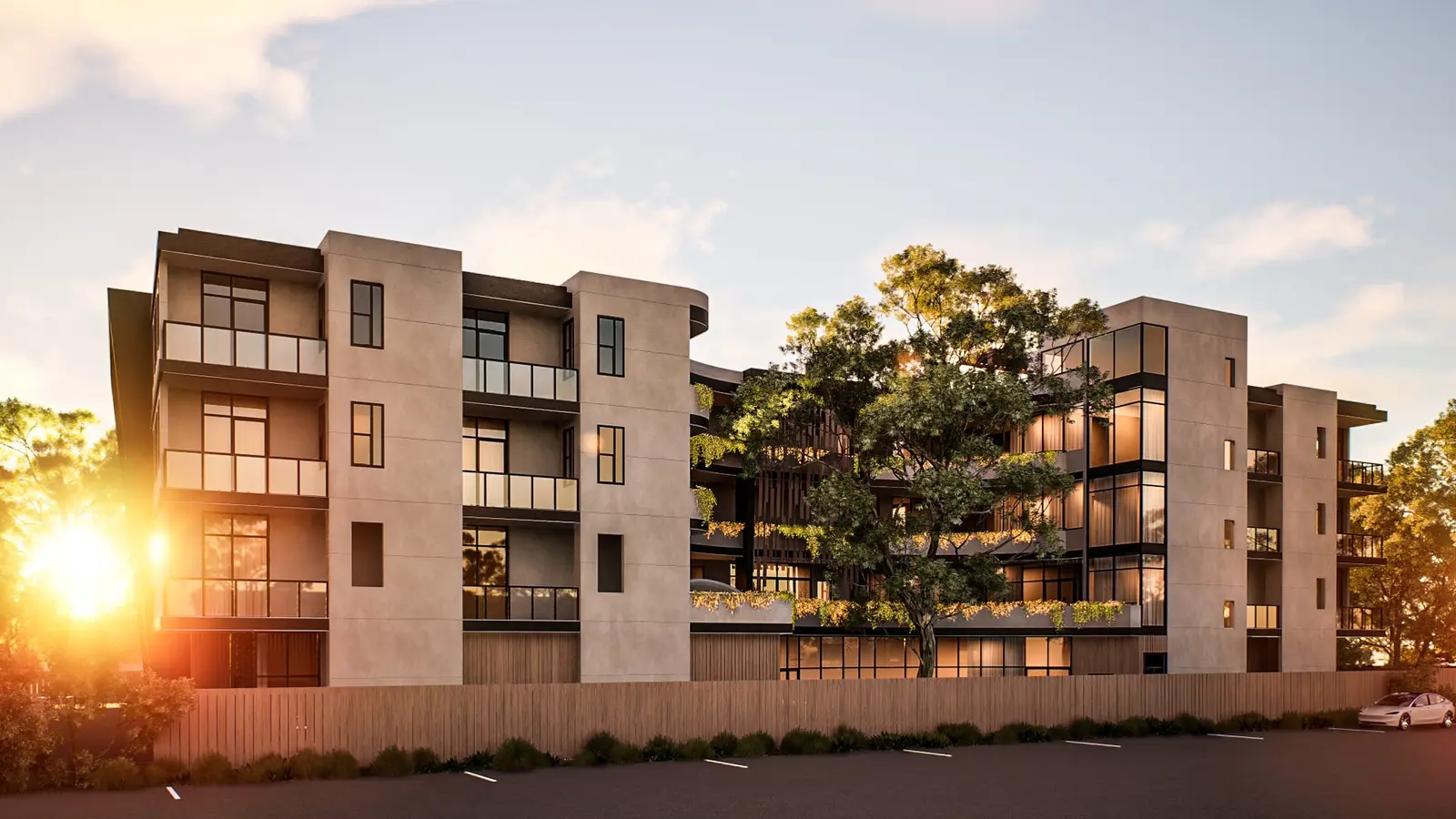
Daylight explains. It shows the shape of the building, the colour of the cladding, the landscaping and the street around it. Dusk tells a story. Lit windows suggest people living inside, a glowing lobby suggests arrival and welcome, and the darker surroundings pull the eye to the building itself. For many projects, that emotional pull is exactly what the hero image on hoarding, a portal listing or a social ad needs: something that stops the scroll and makes the project feel desirable rather than just described.
When dusk and night views help
Evening views tend to earn their place in a few situations.
- Residential projects where the selling point is lifestyle — evenings on a terrace, a lit pool, a welcoming entrance.
- Buildings with a strong lighting design — façade lighting, a glazed lobby, illuminated balconies or landscape lighting that the architect actually designed.
- Hospitality, retail and mixed-use schemes, where activity in the evening is part of what is being sold.
- Campaign hero images and social content, where mood and contrast matter more than technical detail.
When they work against you
A dusk view can hide the very things a buyer, a lender or a planning officer wants to see. Materials and colours read very differently in evening light: a pale stone can look golden, a dark cladding can disappear into the sky. Landscaping, the street and the neighbouring buildings fall into shadow. Lit windows show warm interiors, not the real view from the apartment.
- The building's design is the main argument — the form and materials need to be read clearly.
- The images go into a planning or approval package, where the reviewer needs to understand the proposal, not the mood.
- The location is a selling point in daylight: a park, a beach, a view that is invisible at night.
- Only one exterior view is in the budget — then it usually needs to explain the building first.
Keep evening views honest
Evening renders invite small exaggerations: every window lit, lighting that is not in the design, a glowing landscape nobody has budgeted for. A safer approach is to show only lighting that is part of the actual design or specification, keep the number of lit windows believable, and make sure materials can still be recognised. If some elements are illustrative — furniture, people, planting — your sales materials can label them as such. When accuracy matters for a specific campaign, agree in the brief, and where appropriate in the agreement, which views are evening views and what they are allowed to show.
Print, web and screen: think about where the image lives
Dark images behave differently from medium to medium. On a large printed hoarding or a sales gallery screen, a dusk hero can be striking. On a small thumbnail, in a printed brochure on matte paper, or on a phone in bright sunlight, the darker areas can turn into a flat mass and the building loses its outline. Before ordering a night view for a channel, check it at thumbnail size or with a test print.
Plan day and dusk together
The strongest campaigns rarely choose one or the other. A common pattern is a daylight set that explains the project — hero, street view, context — plus one or two evening views where mood matters most, often the hero and an amenity such as a terrace or pool. When all views come from the same 3D model, a dusk version of an existing camera keeps the building, the materials and the surroundings identical, so the two images read as one project at different times of day.
Decide early which views should be evening views. Changing the time of day after the images have been approved means reworking the light of the whole scene, so it is easier to plan it in the brief than to add it at the end.
Checklist: questions to ask before ordering dusk views
Go through these with your team and your studio before you fix the list of views.
- Which views need to explain the building, and which need to create mood?
- Is there a real lighting design — façade, lobby, landscape — that the evening view will show?
- Will materials and colours still be recognisable in the evening light?
- Where will each image appear: hoarding, portal thumbnail, brochure, social, sales gallery screen?
- Does the location sell better in daylight than at night?
- Will the dusk view be produced from the same model and camera as a daylight version, so the two match?
- Have you agreed in the brief how many windows are lit and which elements are illustrative?