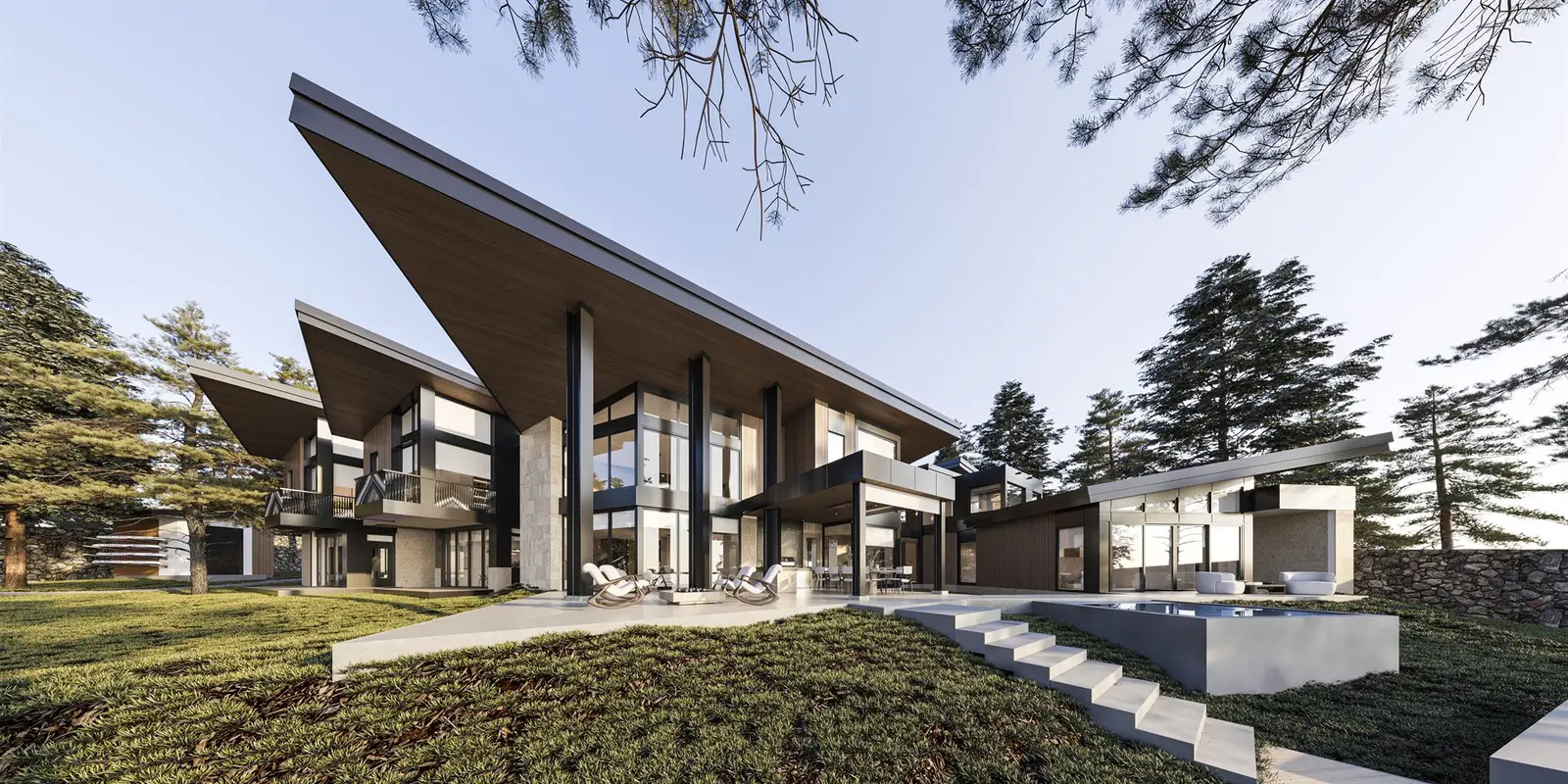
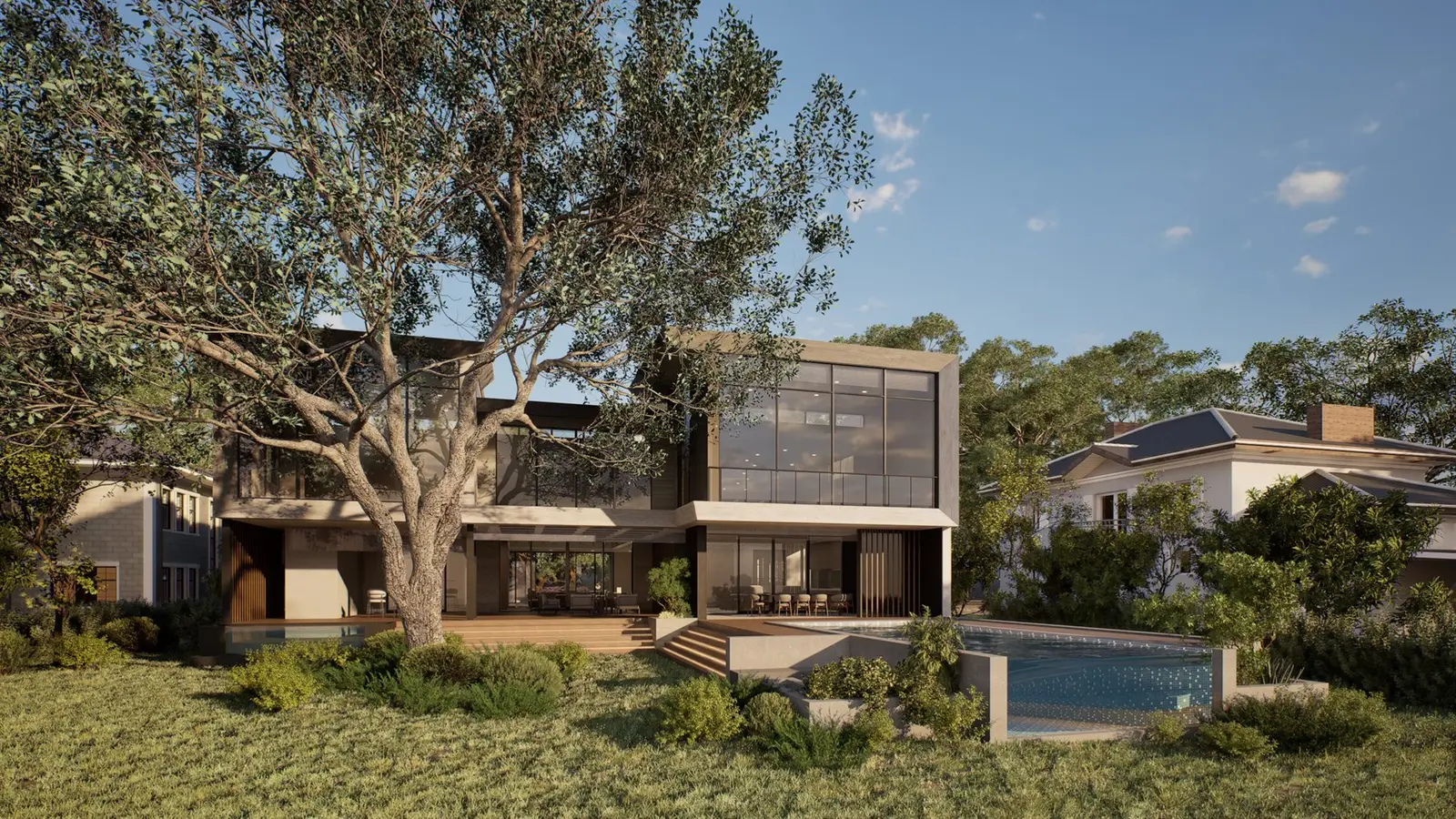
How to review architectural renders before you approve them: 10 checks
Checklist · Orest Moskal · 2026-11-12 · 3 min
You don't need to know 3D software to judge a render. Buyers can't explain why an image feels fake either — they just trust it less. These ten checks help developers, brokers and architects give clear feedback, catch problems before images go to print, and get images that sell.
1. Does it match the drawings?
Check window counts, floor heights, balcony depths, materials and landscaping against the latest set. Marketing images have to show what will be built — inconsistencies cause trouble later, with buyers and with your own team.
2. Do all views show the same building?
Compare views side by side: the façade, the number of floors and the finishes should be identical everywhere. One 3D model behind all images guarantees this.
3. Is the scale believable?
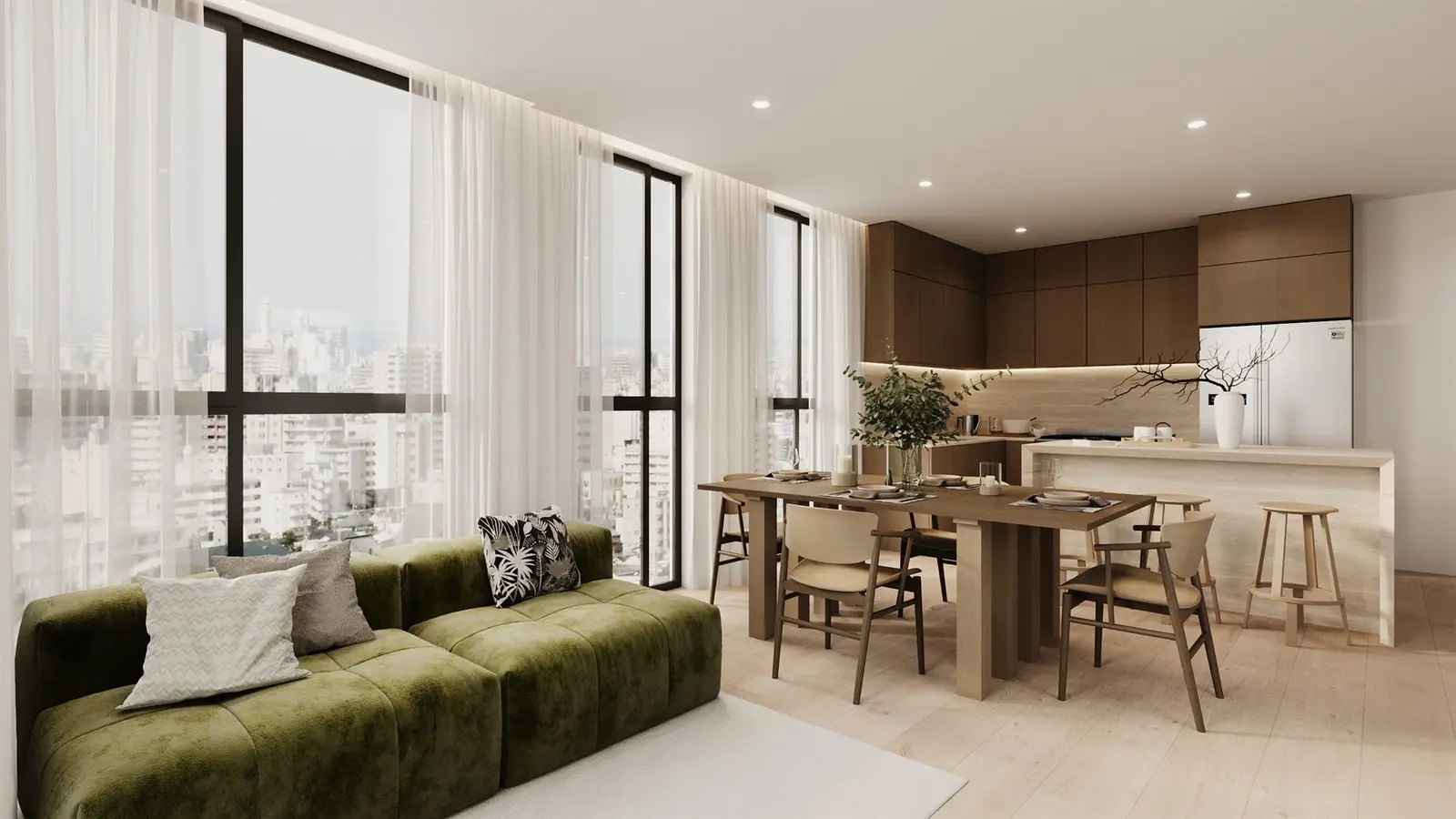
Doors, furniture, people and cars are the eye's rulers. If a sofa looks too big or a ceiling too low, buyers feel it. Ask for people and familiar objects in the frame.
4. Is the camera at a human height?
Most views should be taken from where a person would stand, with vertical lines kept straight. Extreme wide angles make rooms look bigger but distorted, and buyers notice when the real space feels smaller.
5. Does the light have a direction?
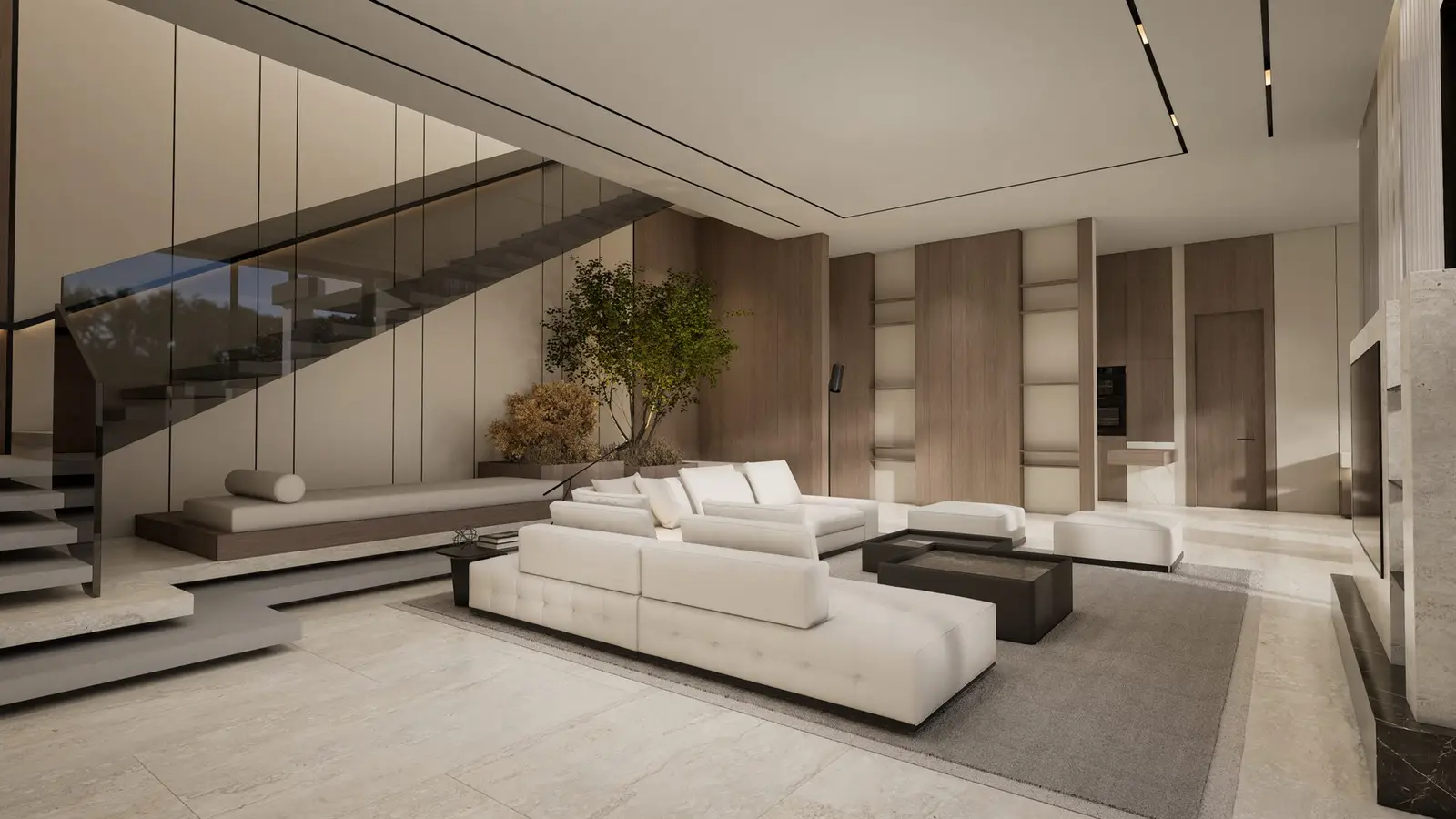
Good images have a clear source of light — the sun, the windows — with shadows and soft gradients. Flat, even light everywhere is the most common sign of a weak render.
6. Do the materials look real?
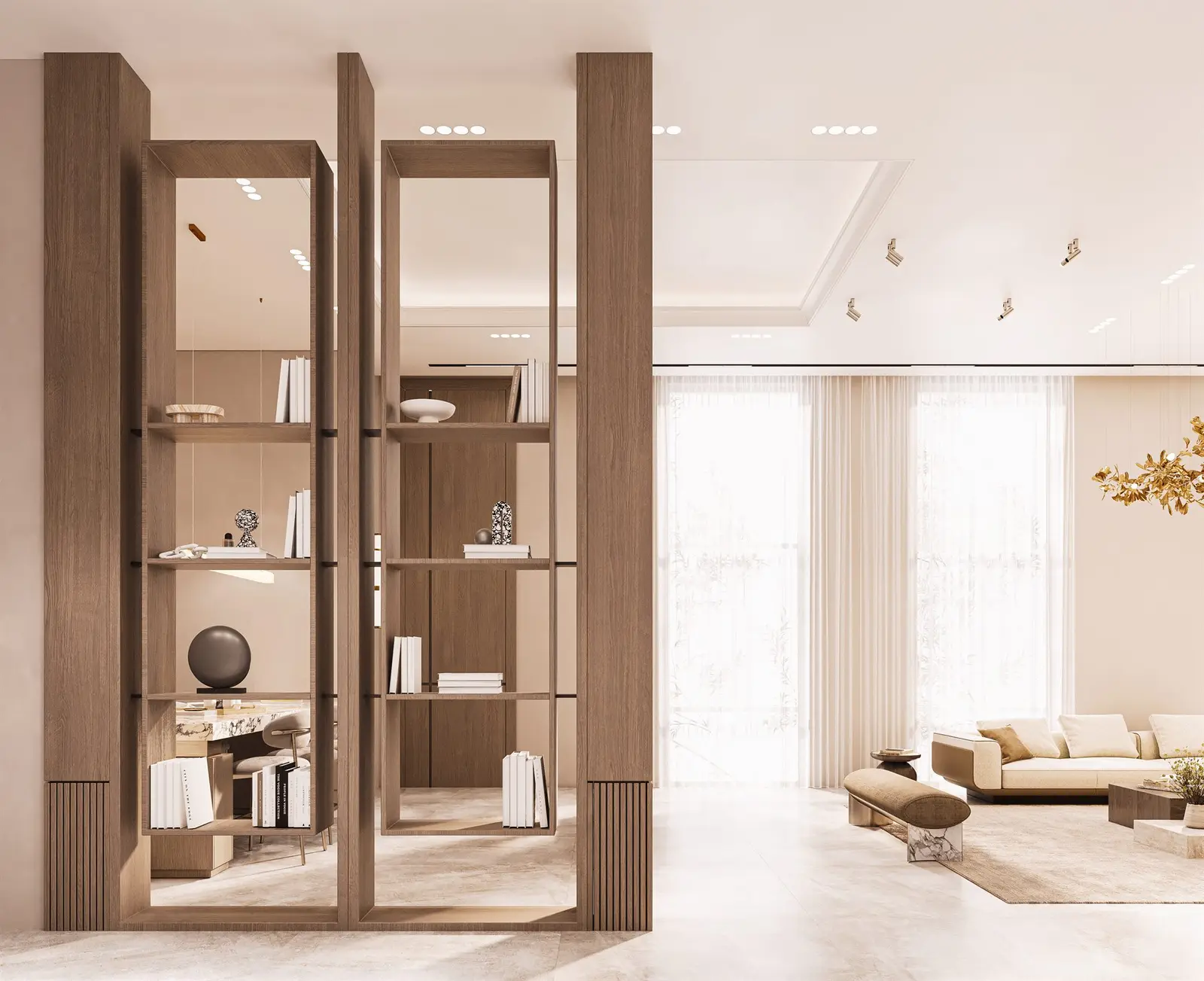
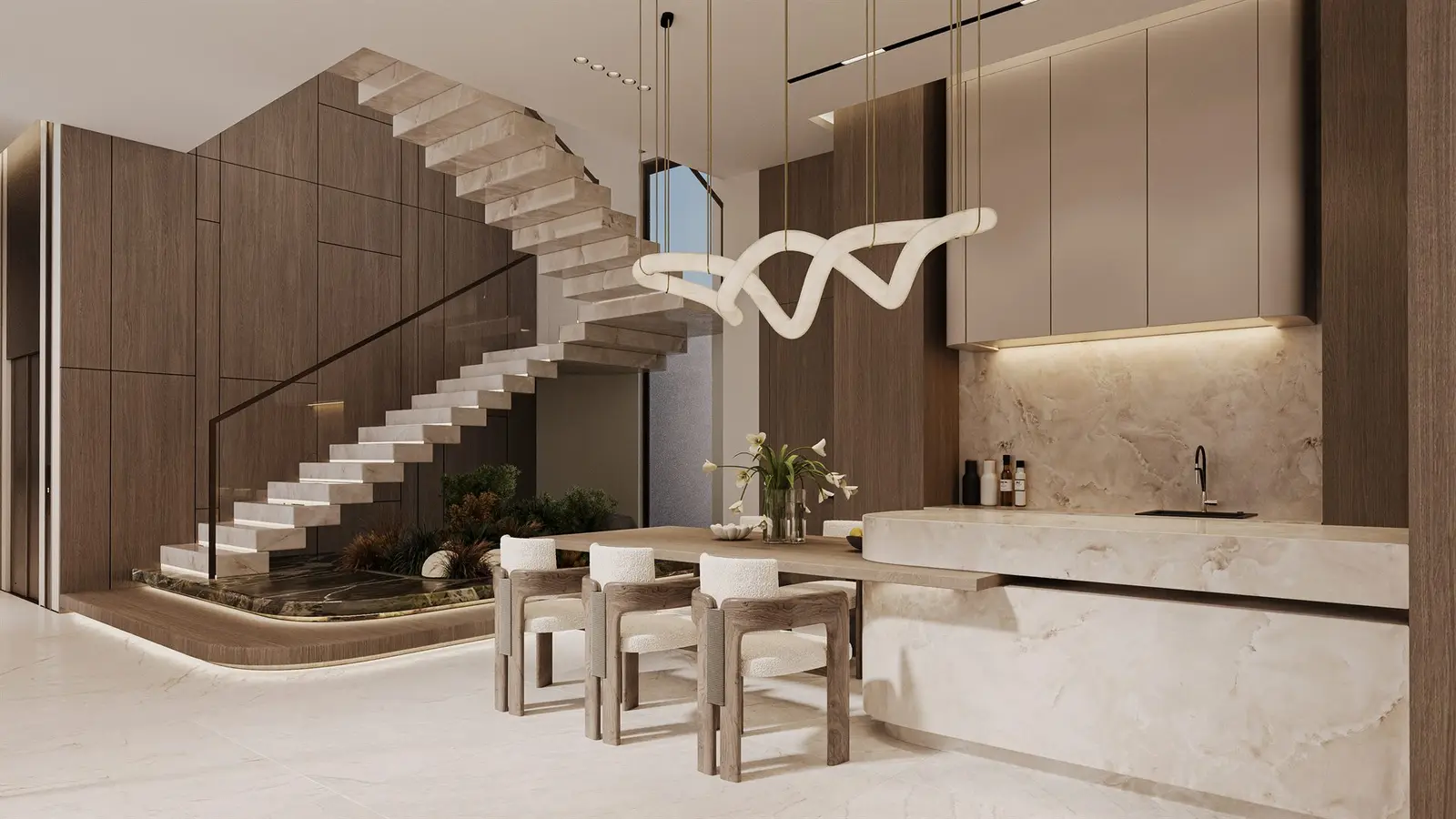
Stone, wood and fabric should have texture and subtle variation; glass should reflect; edges should catch a thin line of light. Surfaces that look like plastic are easy to spot.
7. Is the space styled for the buyer?
Furniture, books, plants and a few signs of life tell buyers who the home is for. Check that the styling matches your target buyer and price point.
8. Is the context honest and attractive?
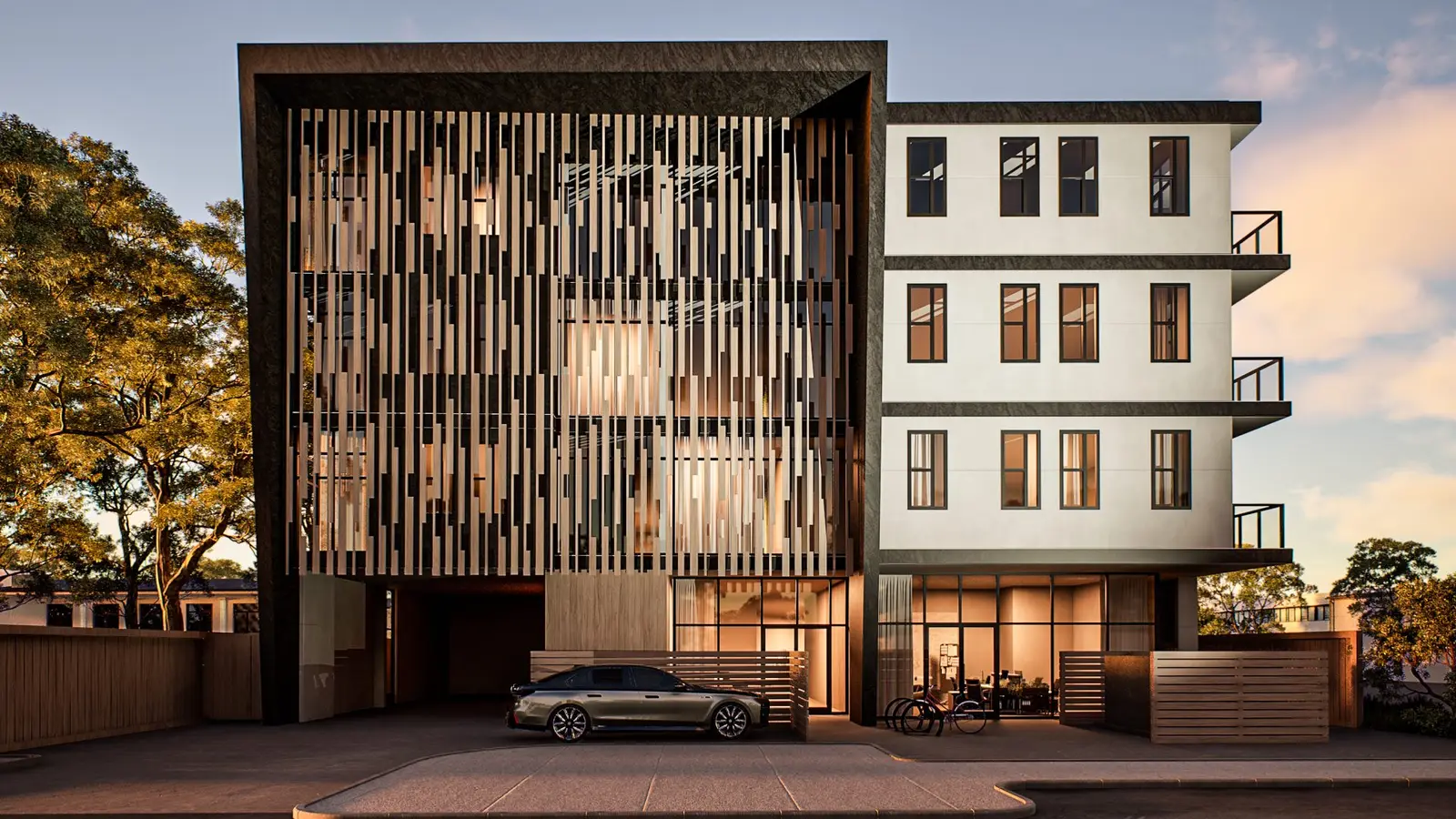
Neighbouring buildings, the street, trees and the view should be believable and true to the site. A building floating in an empty landscape looks unreal — and the real view is often a selling point.
9. Is it the right time of day?
Daylight for clarity, dusk for emotion and lit windows. Make sure the time of day suits each use — print, web, hoardings — and that night views don't hide the architecture.
10. Is the finish restrained?
A touch of contrast and colour grading makes a render feel like a photograph; heavy effects, glowing skies and oversaturated colours make it feel like CG again.
How to give feedback that saves time
- Collect comments from all decision-makers into one round
- Mark comments directly on the image, numbered
- Separate design changes from visual preferences — design changes may change the scope
- Approve camera angles before full rendering, when changes are cheapest