Interior or exterior renders: which views sell apartments
Sales · Orest Moskal · 2026-11-16 · 5 min
When a budget is tight, the question comes up early: should the money go into exterior views or interiors? The honest answer is that they do different jobs. Exteriors make people notice a project and trust that it is real; interiors make them imagine living there. A residential launch usually needs both, but not in equal numbers and not for the same channels. Here is how each view earns its place along the buyer journey, and how to build a set that covers it without paying for images nobody uses.
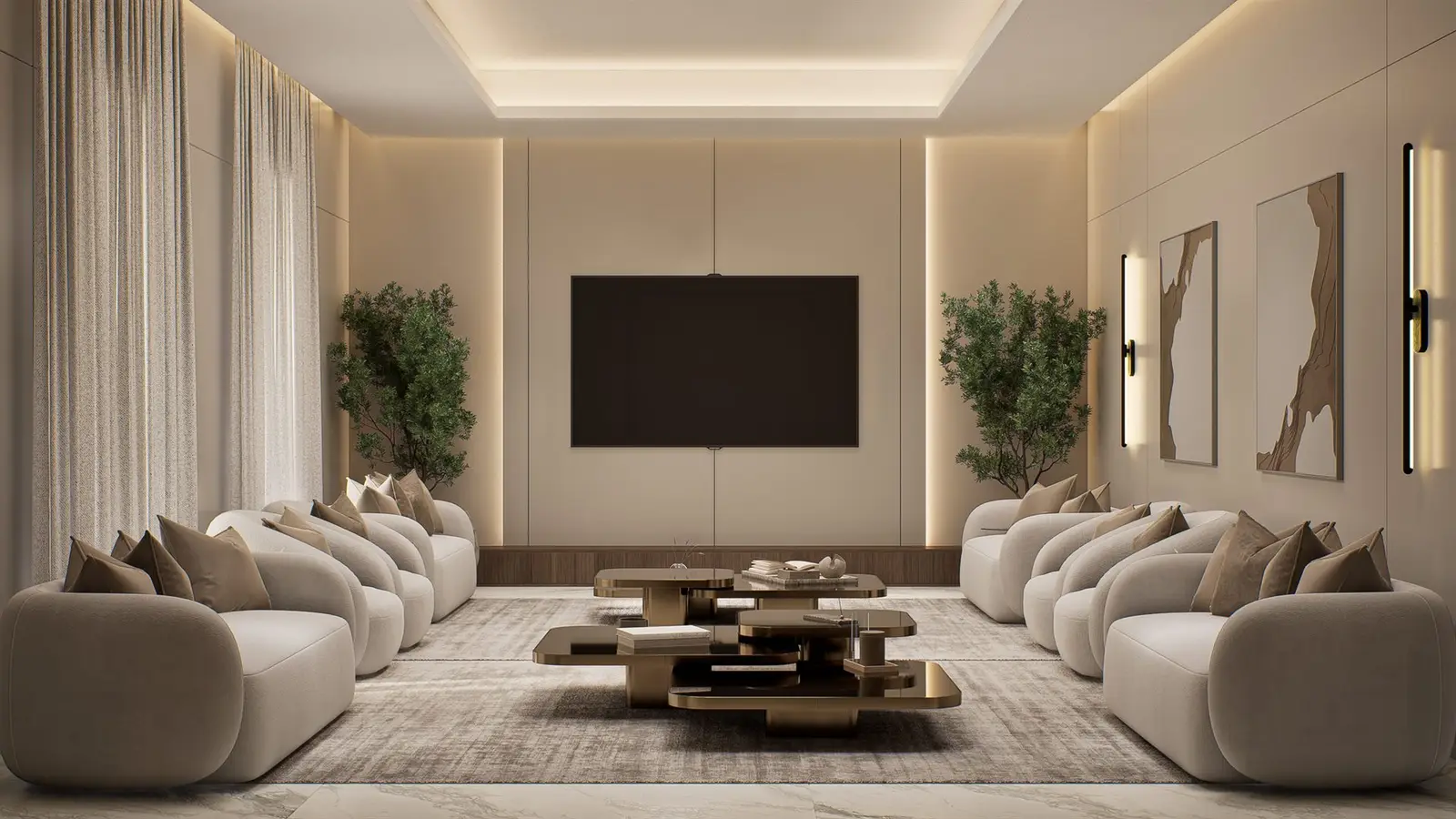
Exteriors and interiors answer different questions
A buyer moves through a few questions in order. First: is this project worth my attention? Then: is it the right place and the right building? Finally: can I see myself in this apartment, and is it worth the price? Exterior views answer the first two. Interior views answer the last one. A set that is only exteriors gets attention but leaves buyers guessing about the apartments; a set that is only interiors can feel like it could be anywhere.
The jobs of exterior views
Not every project needs all four. A small infill building may need one hero and one street view; a large scheme on an unfamiliar site leans more on aerial context.
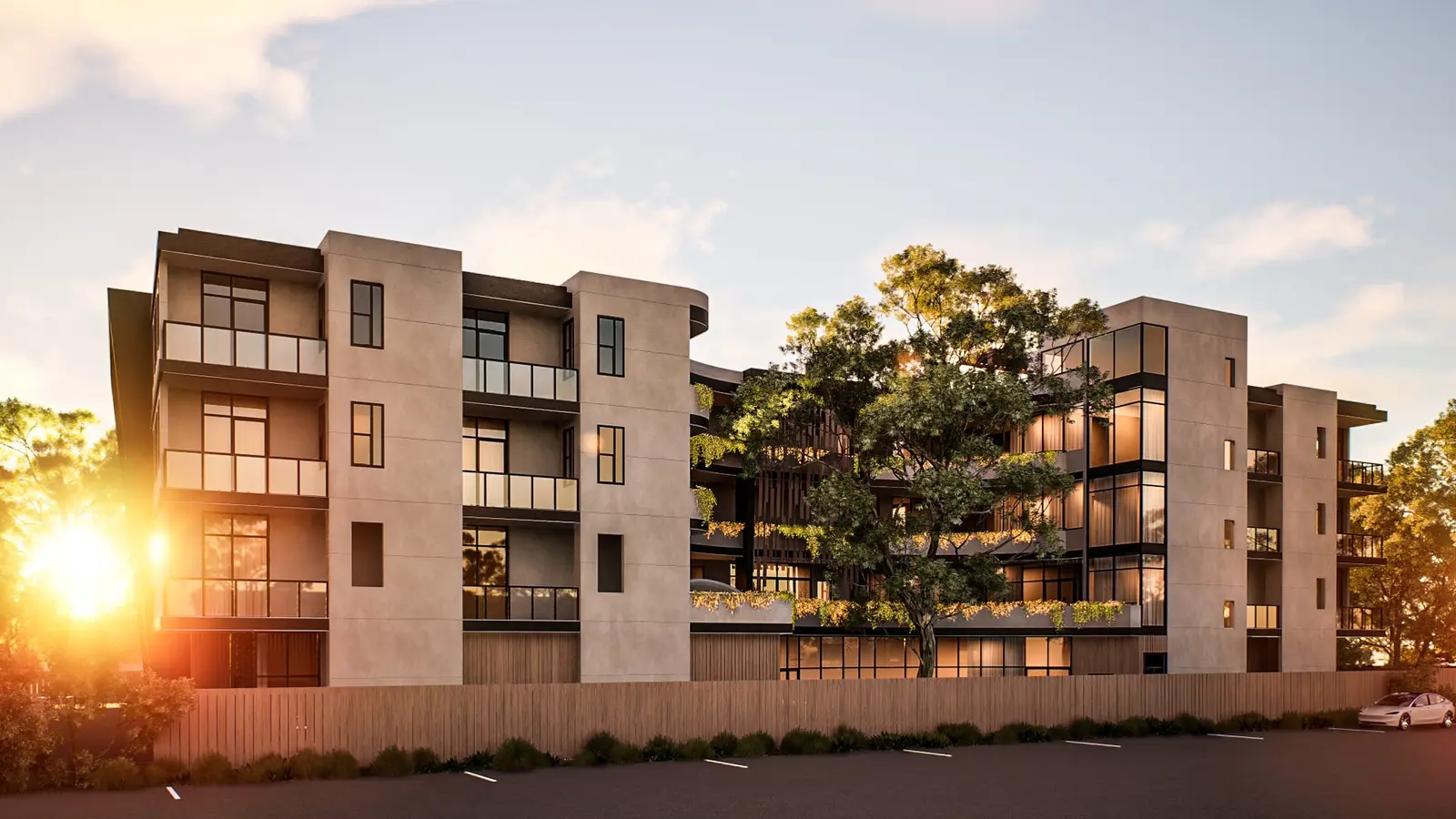
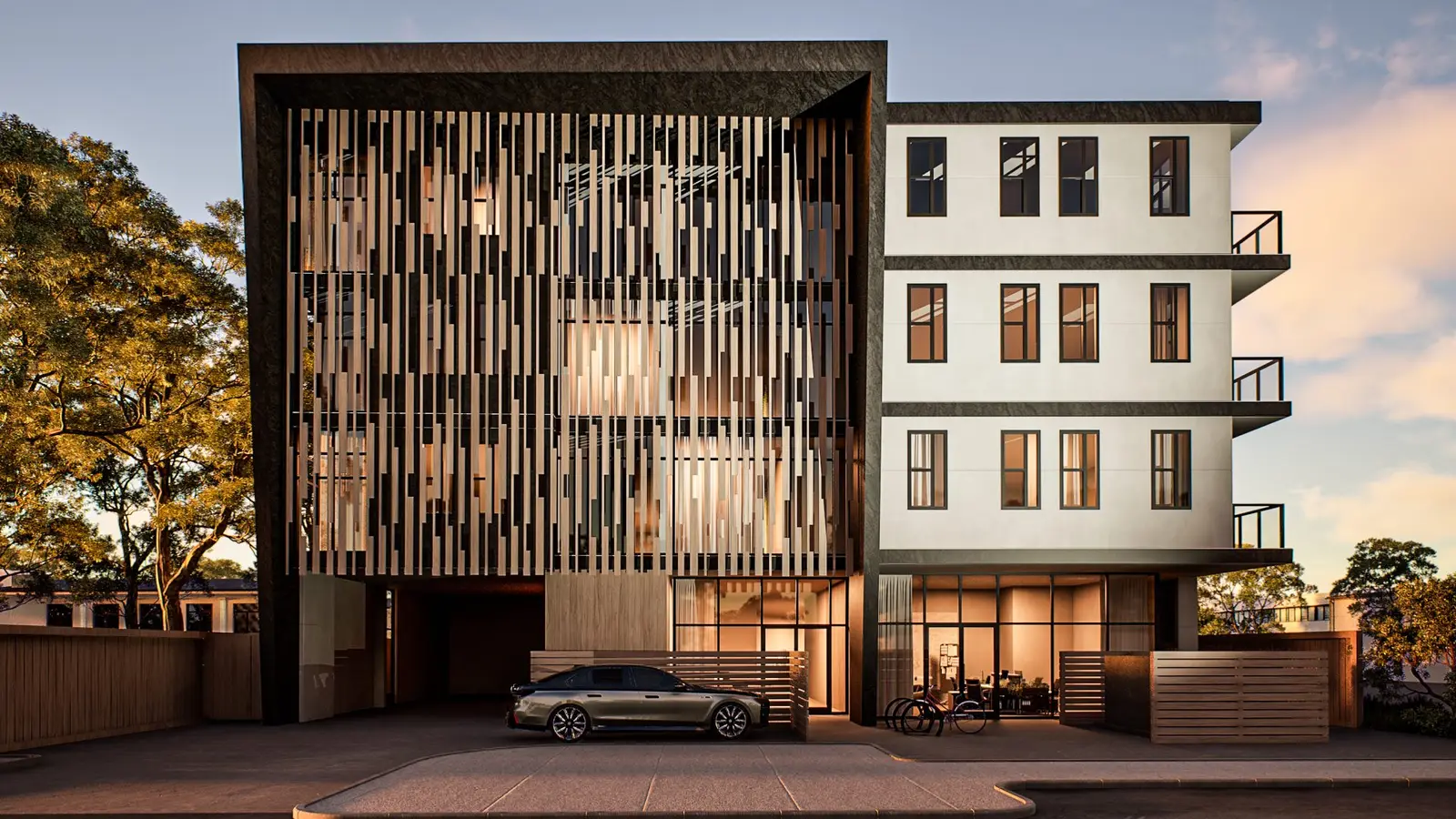
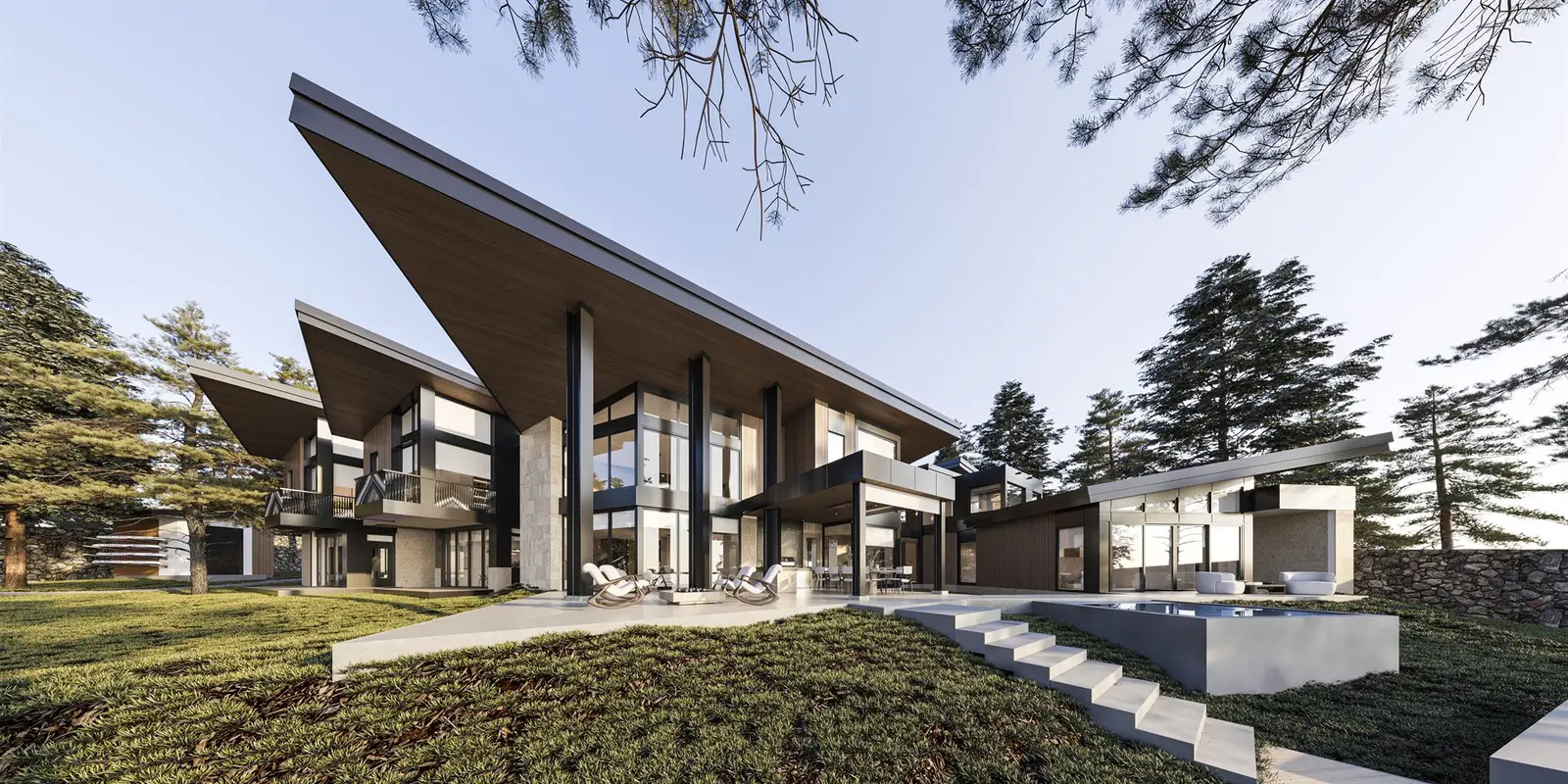
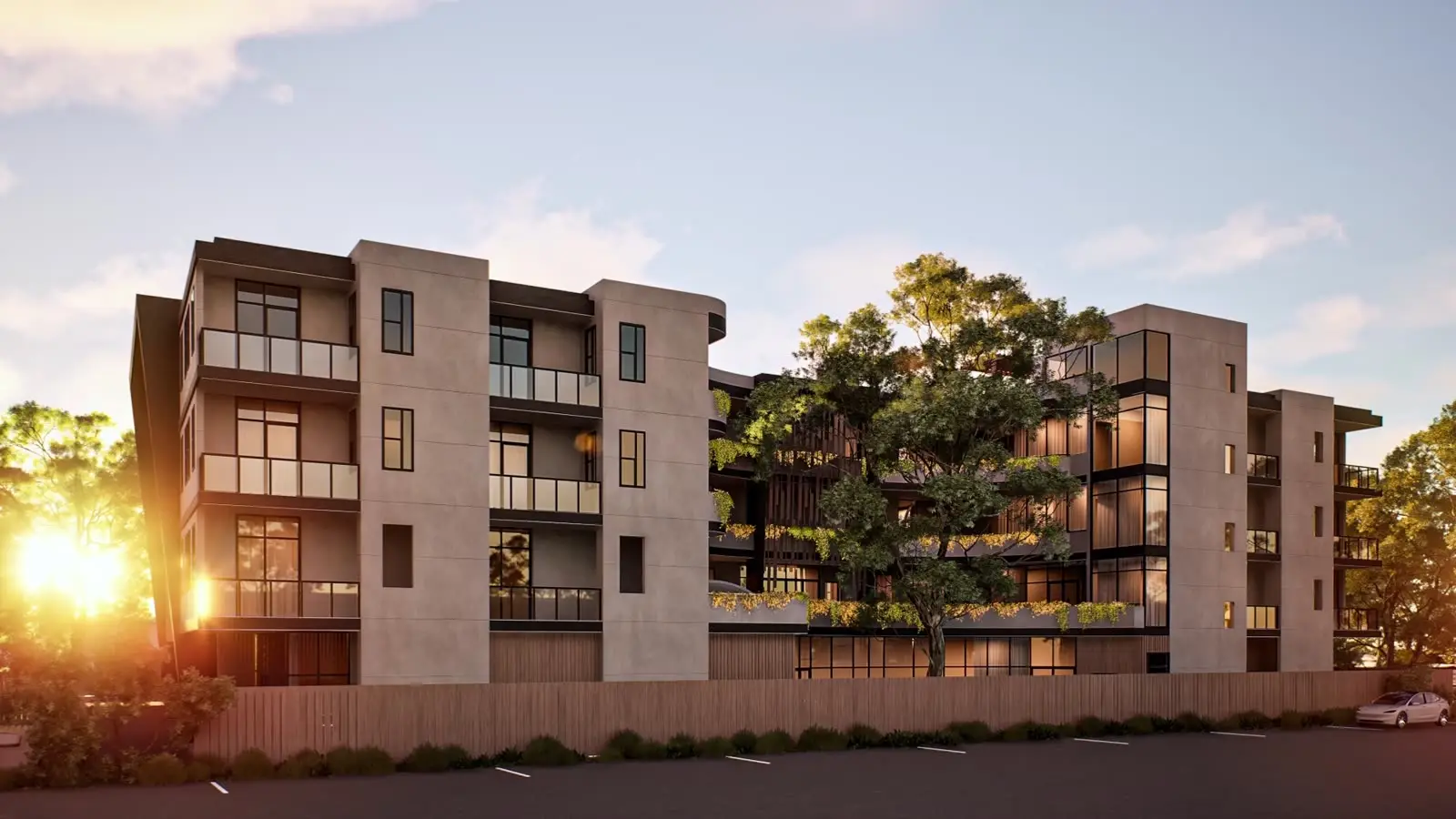
- Hero exterior — the one image that represents the project on hoarding, the website header, portals and ads. It has to work small and large, so the building must read clearly at a glance.
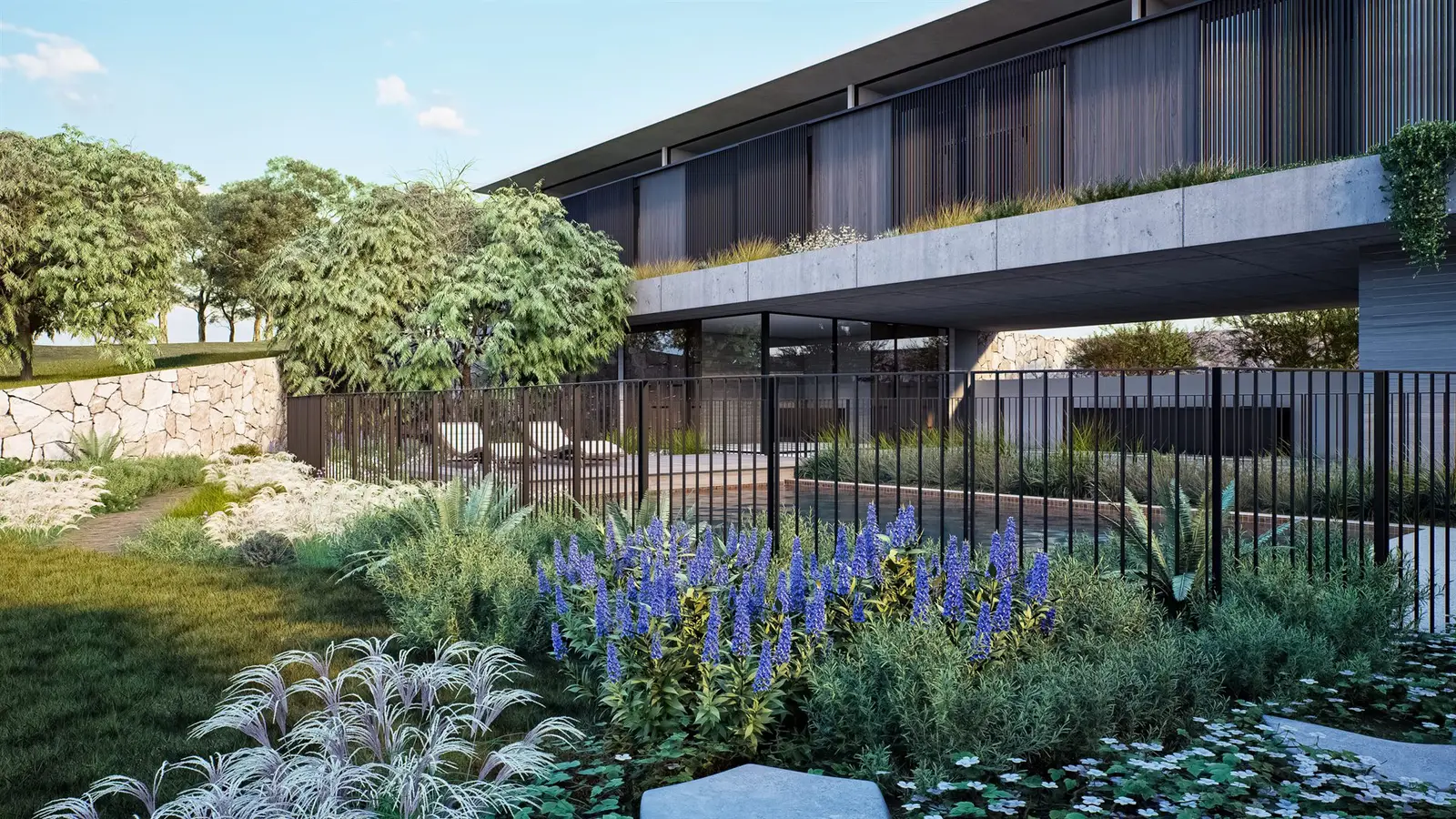
- Street-level view — shows the building as a passer-by will see it: entrance, ground floor, landscaping. It builds trust because it looks like a photo the buyer could take on site.
- Aerial or context view — answers "where is it?": streets, park, water, centre. Useful for buyers who do not know the area, including buyers abroad.
- Detail or façade close-up — materials, balconies, the quality of the build. It supports the price more than the hero does.
The jobs of interior views
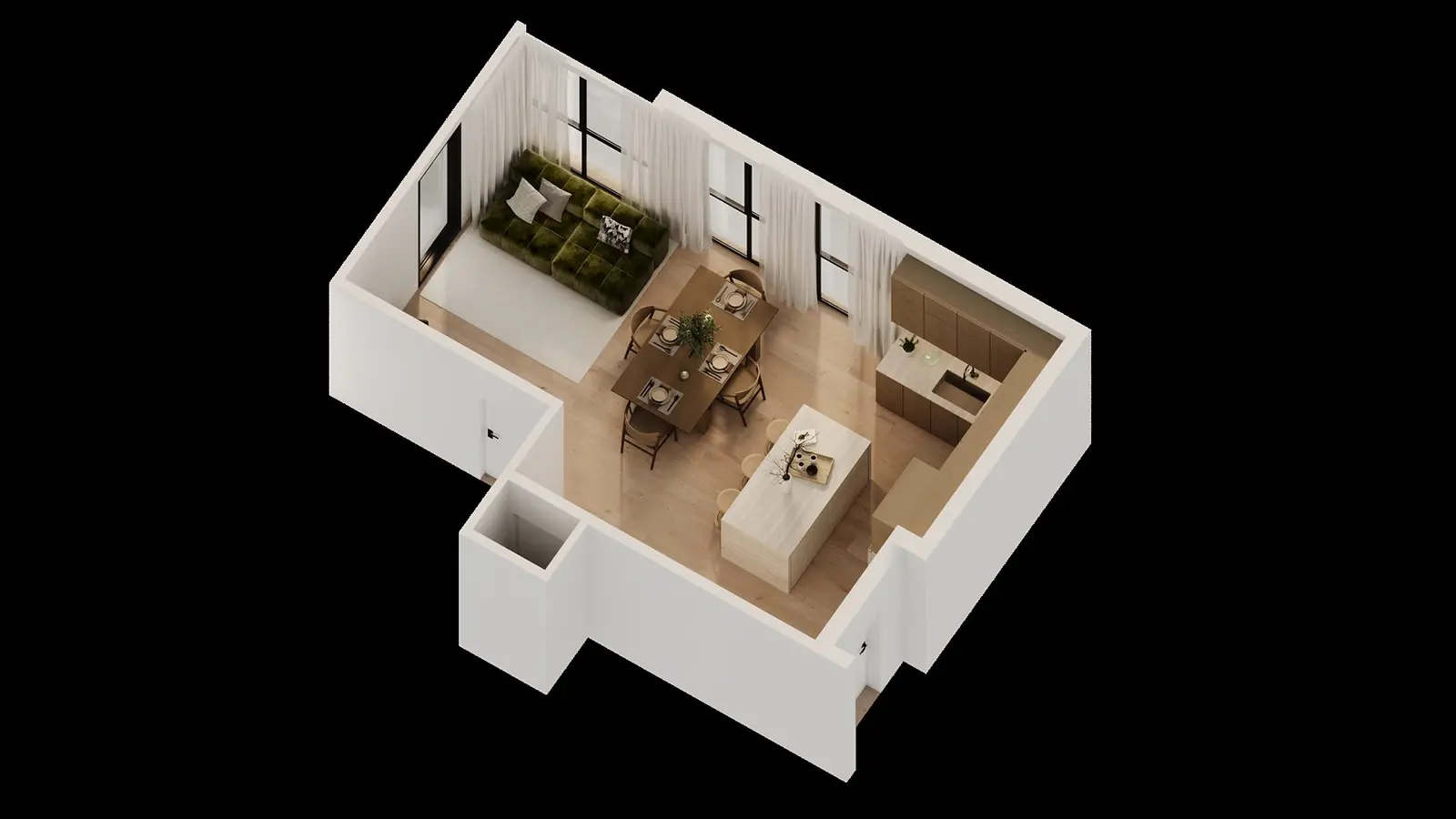
Interiors should match the specification buyers will actually receive. If finishes differ between unit types or packages, say so in the brief, and label any optional upgrades shown in the images.
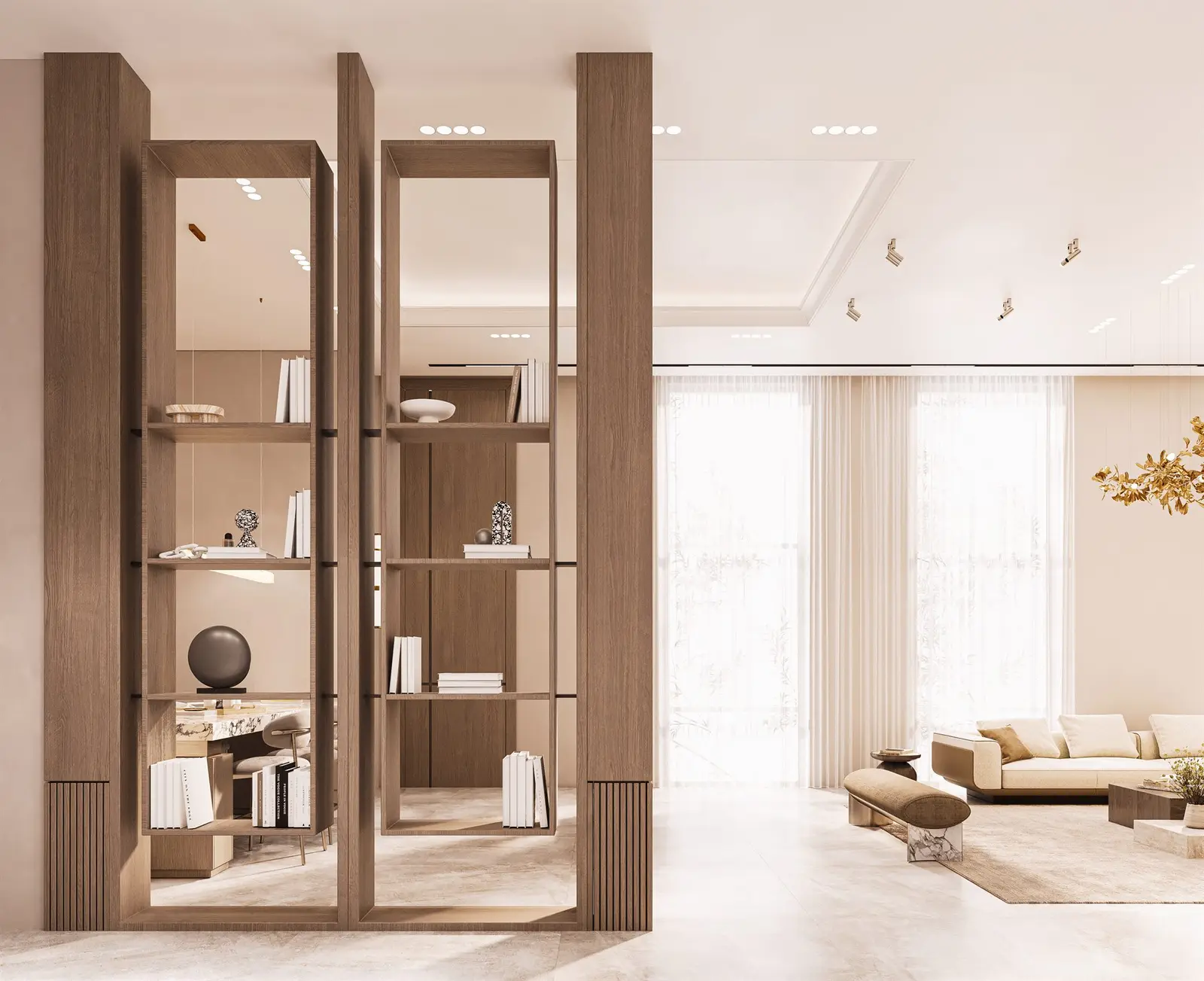
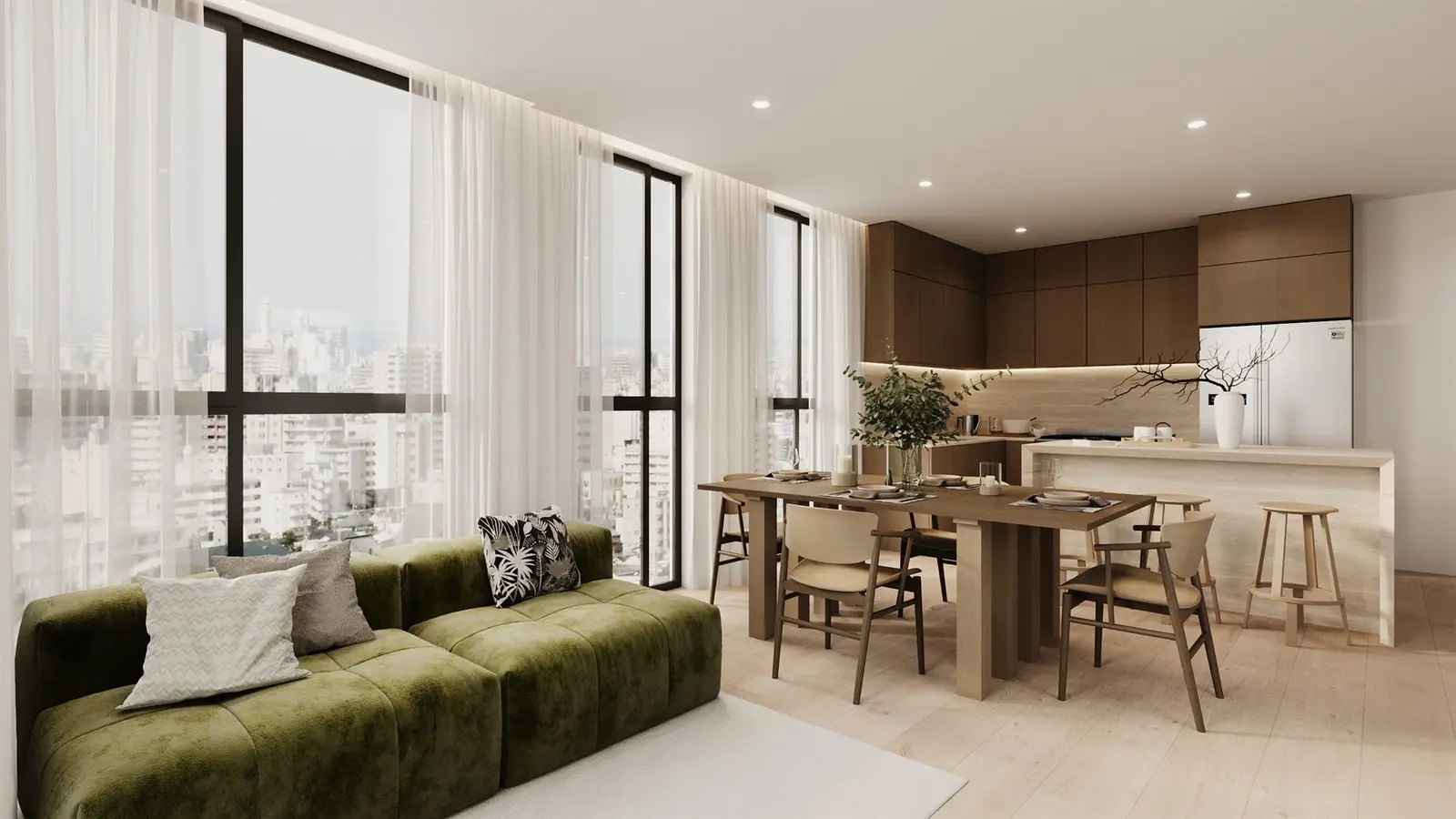
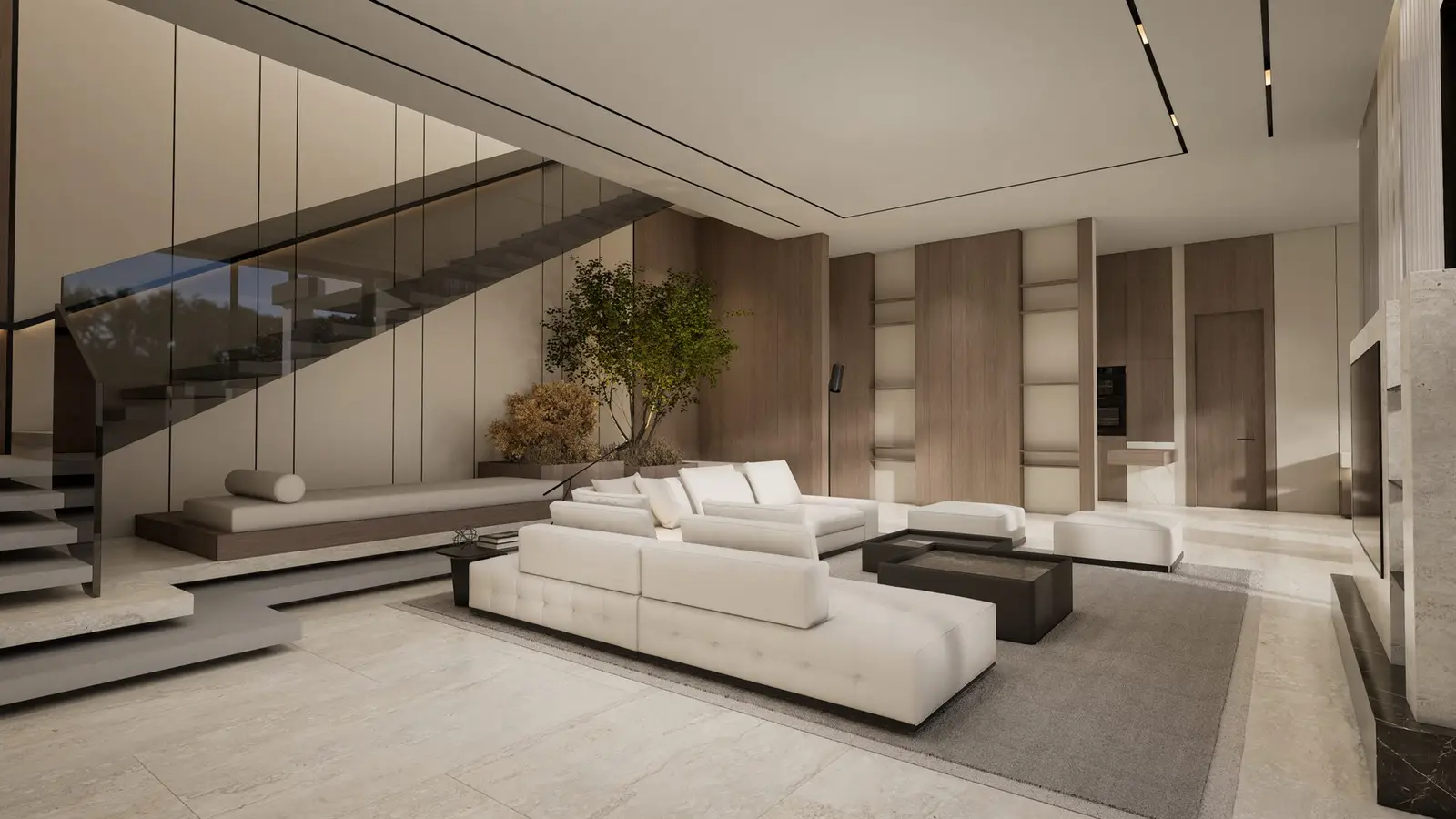
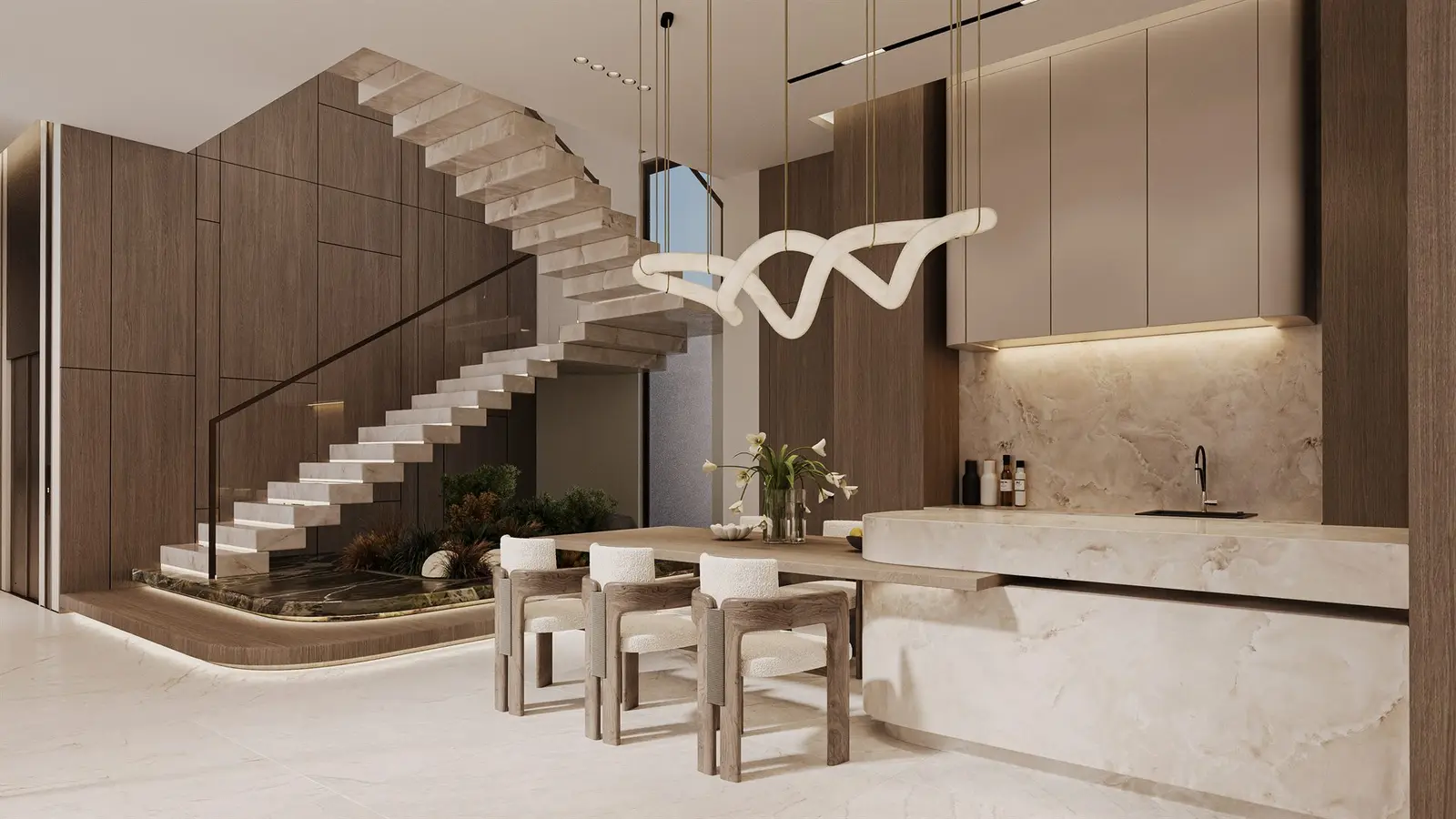
- Living area with view — usually the most important interior: it shows space, light and what the windows look out on.
- Kitchen — buyers read finish quality here more than anywhere else; it also shows the specification you are selling.
- Main bedroom and bathroom — they show comfort and the level of finish; the bathroom is often where a premium specification is most visible.
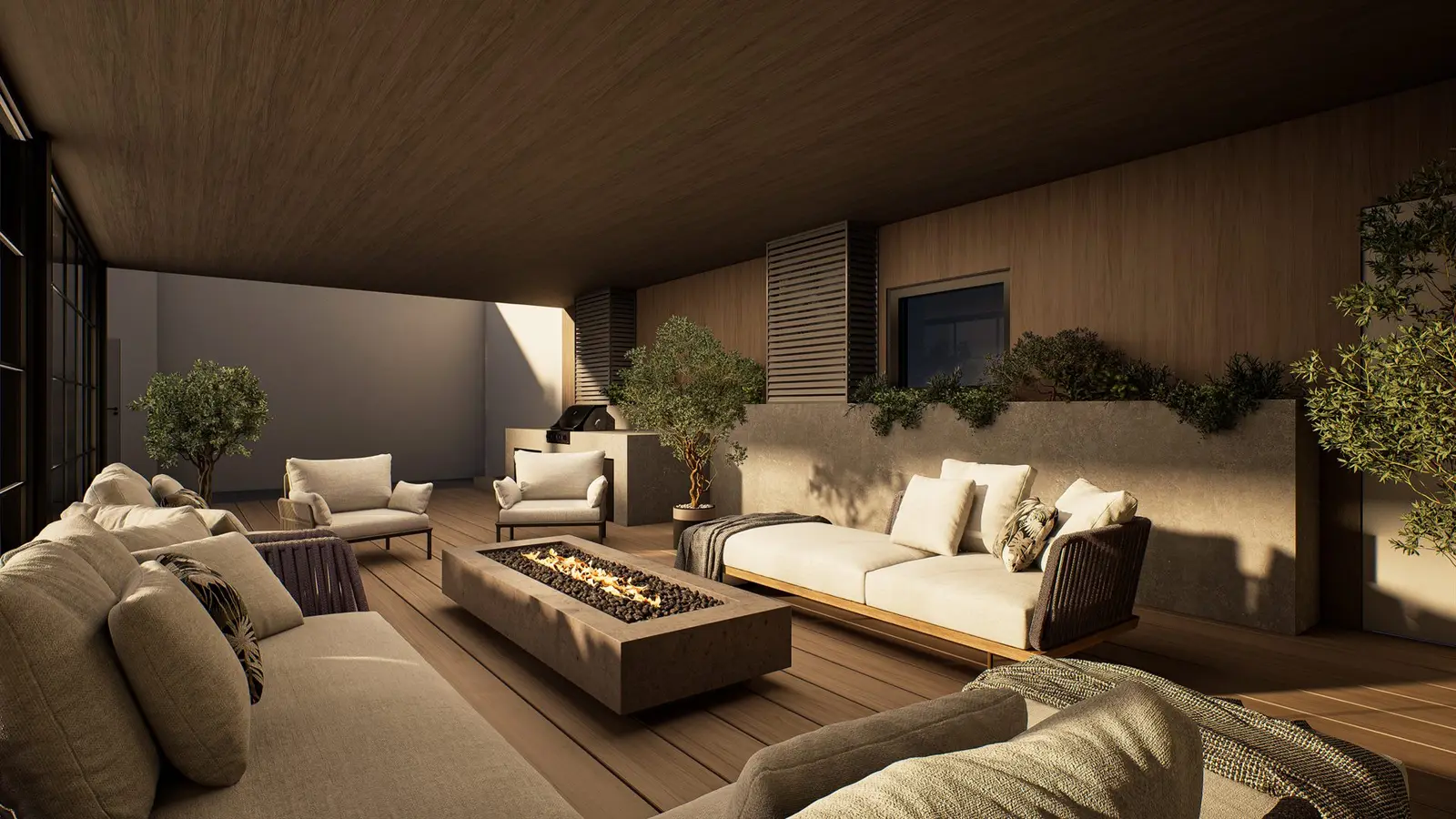
- Balcony or terrace — connects the interior to the outside and to the view; for many buyers it is a deciding feature.
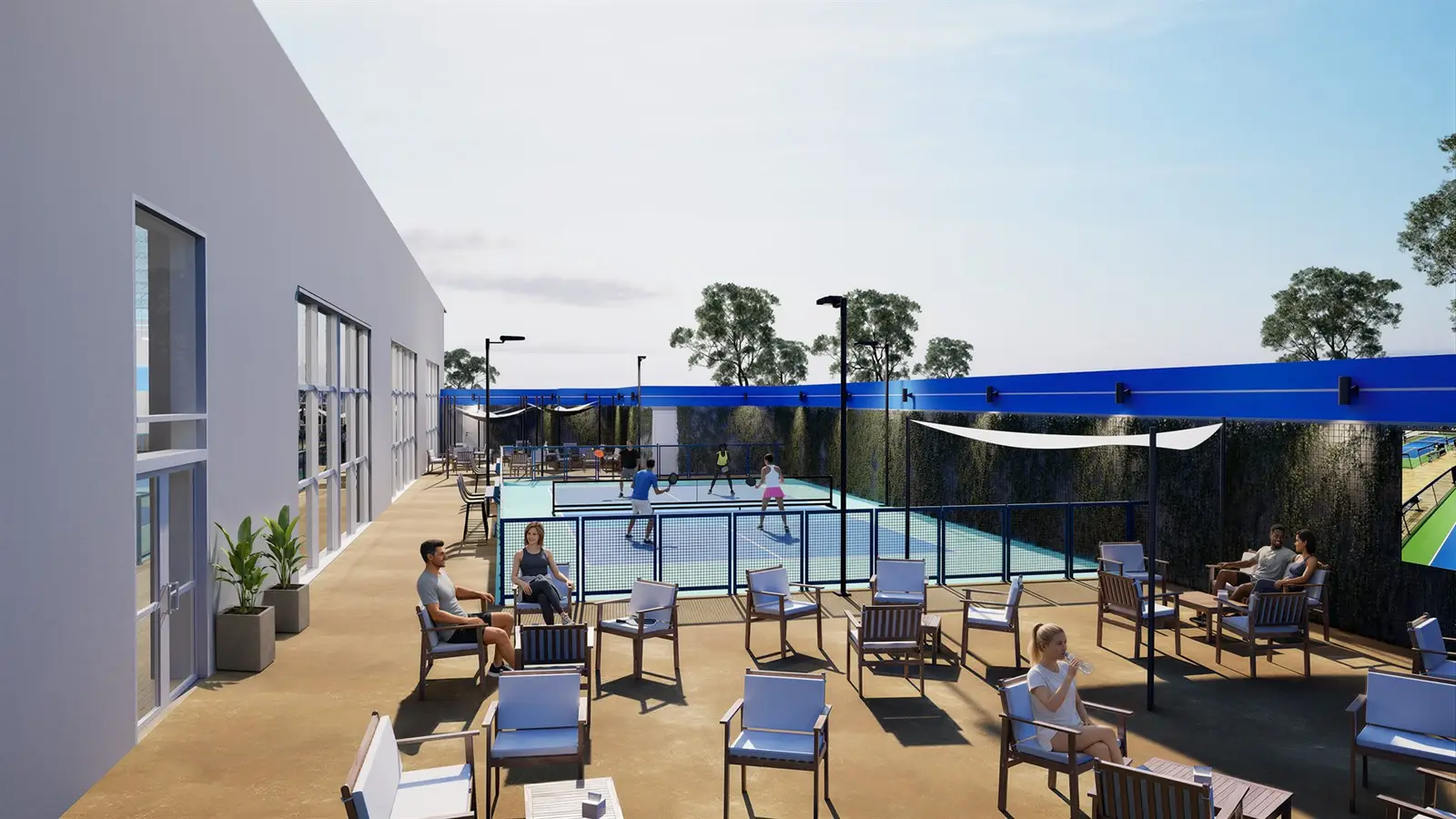
- Amenities — lobby, gym, pool or roof terrace, when they are part of what the building offers.
Where each view works hardest
Exteriors do most of the work at the top of the funnel: hoarding, portal thumbnails, social ads and the first screen of the website. Their job is to stop the scroll and make the project recognisable. Interiors do most of the work further down: the apartment pages of the website, the brochure, the sales gallery and the conversation with a sales agent. Their job is to answer the questions a buyer has once they are already interested.
This is why planning by channel helps. List where the images will appear and check that every channel has the view it needs — and that no view is ordered without a place to live.
A typical set for a residential launch
A common starting point for an apartment building is a small exterior set plus one interior per main apartment type. For example: one hero exterior, one street-level view, one aerial or context view, then a living area, a kitchen and a bathroom for the main unit type, plus a balcony view if the outlook is a selling point. Larger projects add views per unit type and amenity spaces; smaller ones can share interiors between similar units.
Treat this as a starting point to discuss, not a rule. The right set depends on the size of the project, the buyers you are targeting and how many unit types really differ from each other.
Make the interiors and exteriors one story
Buyers notice when images feel like they come from different projects. The same time of day, season and colour grade across the set, and windows in the interiors that show the real view from that floor, make the whole campaign more believable. Rendering everything from one model helps: the street view, the hero and the interiors share the same building, materials and surroundings, and the same model can later feed an animation or a 3D tour.
Checklist: choosing your views
Before you fix the number of renders, go through these questions with your team.
- Which buyer questions must the images answer — attention, location, apartment, price?
- Which channels will the images appear on, and which view does each channel need?
- Which unit types really differ, and do they each need their own interiors?
- Is the view from the windows a selling point — and does the render show the real one?
- Do interior finishes match the standard specification, with upgrades clearly labelled?
- Are amenities part of the offer, and are they designed enough to render?
- Have you asked the studio to propose a set based on your channels before you fix the number of views?